Ukrainian Heavy Industry Faces Collapse Amid Infrastructure Attacks and Logistics Crisis
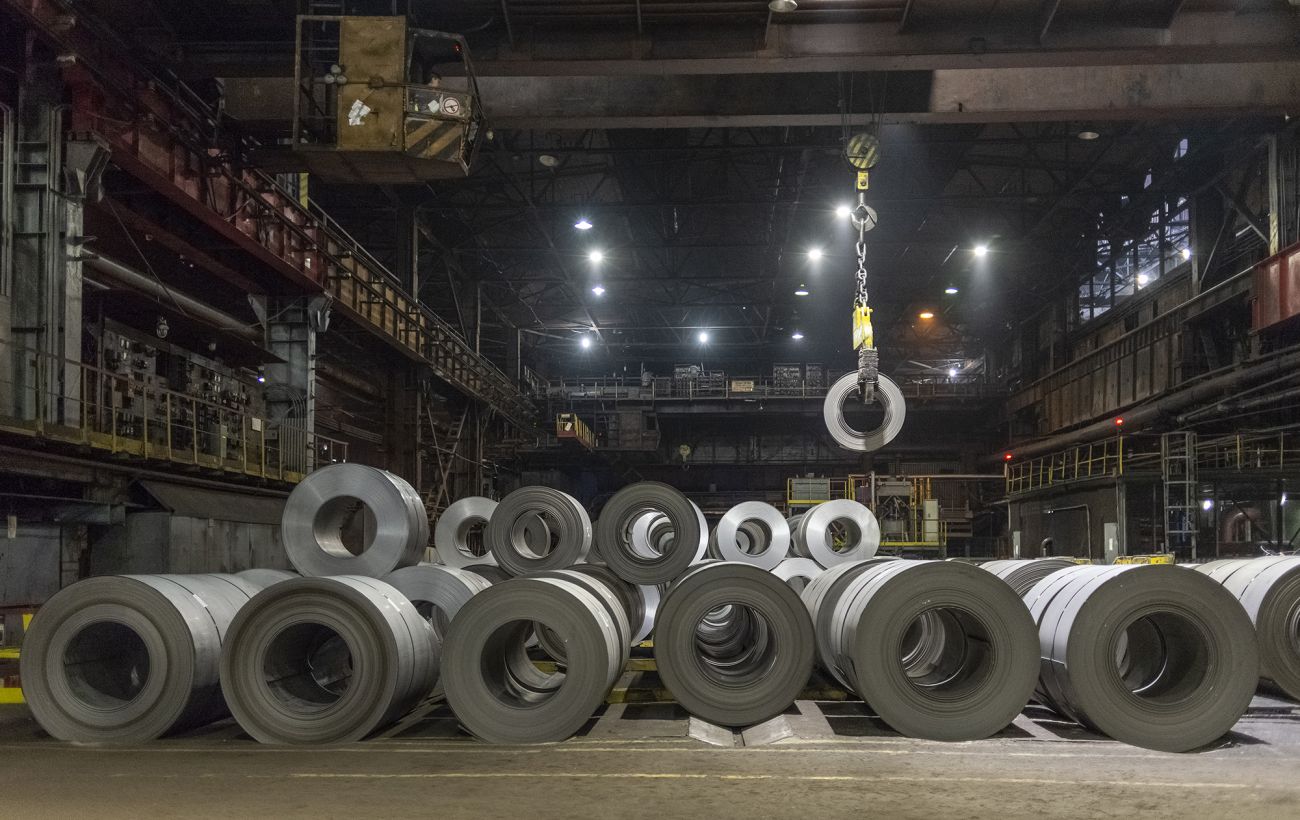
Foreign media report a critical decline in Ukrainian steel production and iron ore mining due to strikes on energy and rail infrastructure, putting industrial hubs at risk.
 💼Economy
Photo: RBC-Ukraine
Key points
- Steel production in Ukraine has dropped by more than 80% due to infrastructure attacks.
- Mining facilities in Kryvyi Rih operate at 20-50% capacity amid power and transport shortages.
- Industrial leaders are calling for state support programs and EU trade flexibilities.
Ukraine's heavy industry sector is experiencing its deepest downturn since the start of the full-scale war. Continued targeted strikes on power infrastructure, transport hubs, and industrial facilities have driven national steel output down by over 80%. International observers and business leaders warn that the country risks permanently losing its industrial base without targeted intervention.
Industrial hubs in the Dnipropetrovsk region are severely impacted. In Kamianske, steel production has largely ground to a halt, with rebuilding a single damaged furnace projected to cost tens of millions of dollars. Plant director Oleksandr Tretiakov highlighted the urgency of preserving workforce capabilities:
“If we lose our workers, money will no longer matter. Then we will never be able to restart the plants,”he noted.
Energy Deficits and Logistics Bottlenecks
A parallel crisis is unfolding in the mining sector around Kryvyi Rih. Local mines and open-pit facilities are operating at just 20% to 50% of their capacity. Key operational hurdles include power shortages, damaged rail infrastructure, and a severe shortage of locomotives. A senior manager at the Sukha Balka mine summarized the situation by stating that the industry is more dead than alive.
Export logistics have suffered equal disruption. Black Sea shipping corridors operate under tight restrictions, while overland rail transit toward the European Union faces heavy delays due to rolling stock deficits and track damage.
Broader Economic Fallout
Prior to 2022, heavy industry contributed over 10% of Ukraine's GDP and generated a third of its total export value, with annual steel output topping 21 million metric tons. Today, the sector's economic footprint has shrunk by half. Industry representatives are urging the national government to establish dedicated industrial support programs and negotiate temporary EU trade relief to keep operations afloat.
Source RBC-Ukraine — rbc.ua/ukr/news/ukrayinska-promislovist-skorishe-mertva-nizh-179500… ↗
Read next
 🛡️Security
Lithuania denies Russian accusations regarding drone attacks from its airspace
The Lithuanian Ministry of Foreign Affairs has officially refuted claims by the Russian side regarding the alleged launch of drones from its territory toward the Kalining…
 👥Society
Kitchen space redefined: designers suggest moving away from massive dining tables
Traditional bulky kitchen sets are being replaced by ergonomic solutions that mimic the cozy atmosphere of a cafe.
 🛡️Security
UAV attack on Krasnodar: explosions and smoke reported near military facility
On the night of November 22, explosions occurred in Krasnodar, Russia, followed by reports of smoke near a military base.
 🏛️Politics
Donald Trump comments on the resignation of White House press secretary Caroline Leavitt
The US President publicly addressed the departure of his former press secretary, who stepped down to focus on her family.
 🎓Education
Unique Roman-era infant burial with ritual birds discovered in Britain
Archaeologists in Buckinghamshire have unearthed a rare Roman-era burial of an infant in a ceramic vessel, dating back to the 3rd or 4th century AD.
 🩺Health
Secrets of Japanese Hair Care: Expert Tips for Scalp Health
Japanese hair care methods focus on scalp health rather than just hair length. Experts highlight three key techniques to achieve shiny and strong hair.