Crimean Bridge Strike: ISW Debunks Kremlin Claims Regarding the Crossing's Civilian Status
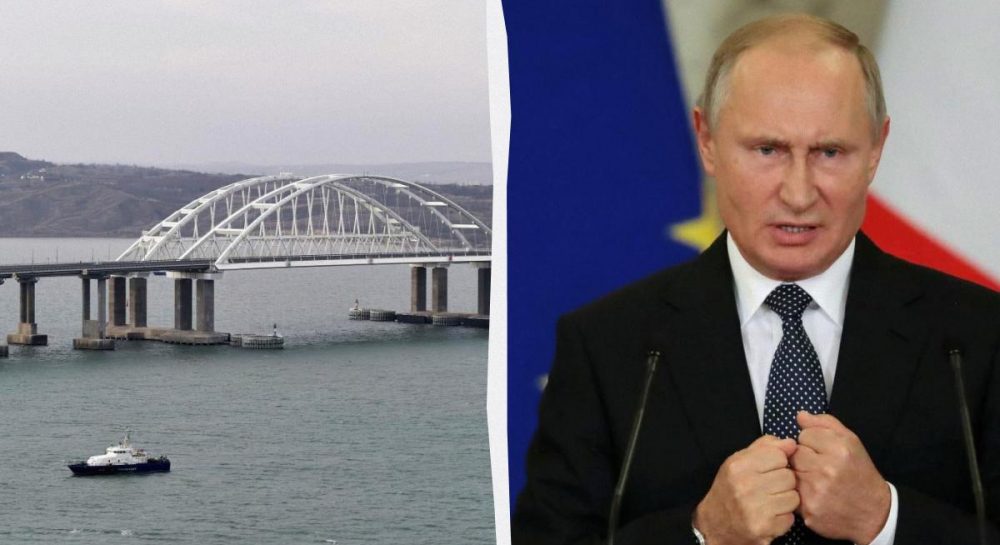
Analysts at the Institute for the Study of War have refuted Vladimir Putin's claims about the exclusively civilian purpose of the Crimean Bridge, highlighting its critical role in Russian military logistics.
 🛡️Security
Photo: UNIAN
Key points
- Successful Ukrainian strike on the bridge's railway section using Neptune systems
- ISW debunks Putin's claims regarding the purely civilian status of the crossing
- Disruption of enemy logistics and restricted maneuvers of the Black Sea Fleet
- Shift of supply routes toward the vulnerable M-14 highway
Recent strikes against the Crimean Bridge have created severe logistical challenges for Russian occupation forces, impacting the supply lines of military groups in southern Ukraine. According to the Institute for the Study of War (ISW), Ukrainian forces used Neptune coastal missile systems during the night of November 18-19, damaging the railway tracks of the crossing. Previous attacks had already caused the complete collapse of the road section.
Military Purpose and Kremlin's Reaction
Despite official statements from the Russian leadership claiming the bridge is used exclusively for peaceful purposes and not for military transit, Western and Ukrainian experts strongly refute this information. The Russian military actively utilizes this transport artery to supply ammunition, heavy equipment, and fuel to the temporarily occupied Crimean peninsula.
Meanwhile, Ukrainian Navy Spokesperson Dmytro Pletenchuk noted that infrastructure damage has effectively blocked the actions of the Black Sea Fleet and the operations of several ports. According to military expert Pavlo Narozhnyi, the main goal of such operations is to halt traffic and exert psychological pressure, as completely destroying the massive structure with drones or missiles remains an extremely challenging task.
Logistical Consequences and Broader Context
The strikes force the adversary to rely more heavily on ground routes, particularly the M-14 highway running through Rostov and the occupied southern coast of Ukraine. However, these supply lines are also under the fire control of the Ukrainian Defense Forces, further complicating enemy maneuvers.
For residents of Konotop and local communities, these developments are part of the broader national confrontation that shapes overall security conditions in the country. Disrupting enemy logistics directly impacts combat intensity at the front lines and brings Ukraine's victory closer, even though it requires maximum resilience from society across both frontline and rear regions.
Source UNIAN — unian.ua/war/udari-po-krimskomu-mostu-shcho-chekaye-na-rosiyu-13565… ↗
Read next
 👥Society
Kitchen space redefined: designers suggest moving away from massive dining tables
Traditional bulky kitchen sets are being replaced by ergonomic solutions that mimic the cozy atmosphere of a cafe.
 🏛️Politics
Donald Trump comments on the resignation of White House press secretary Caroline Leavitt
The US President publicly addressed the departure of his former press secretary, who stepped down to focus on her family.
 🎓Education
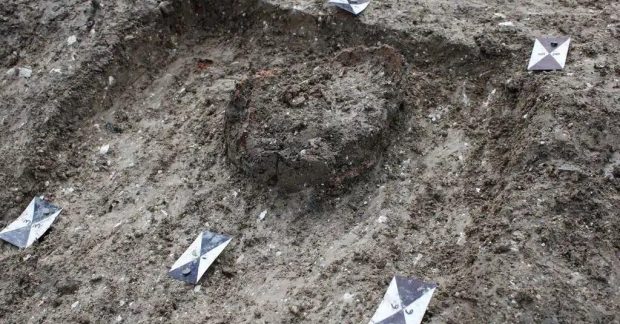
Unique Roman-era infant burial with ritual birds discovered in Britain
Archaeologists in Buckinghamshire have unearthed a rare Roman-era burial of an infant in a ceramic vessel, dating back to the 3rd or 4th century AD.
 🩺Health
Secrets of Japanese Hair Care: Expert Tips for Scalp Health
Japanese hair care methods focus on scalp health rather than just hair length. Experts highlight three key techniques to achieve shiny and strong hair.
 🇺🇦Ukraine
Donald Trump publicly reaffirms his affinity for Vladimir Putin
US President Donald Trump posted a photo with the Russian leader, captioning it 'My Friend'. This has sparked international criticism amidst the ongoing Russian aggressio…
 💼Economy
Finland seeks to recover 25 billion euros from Russia and Gazprom
Finnish authorities are pursuing international arbitration awards against Russian entities, though limited assets remain a significant hurdle.